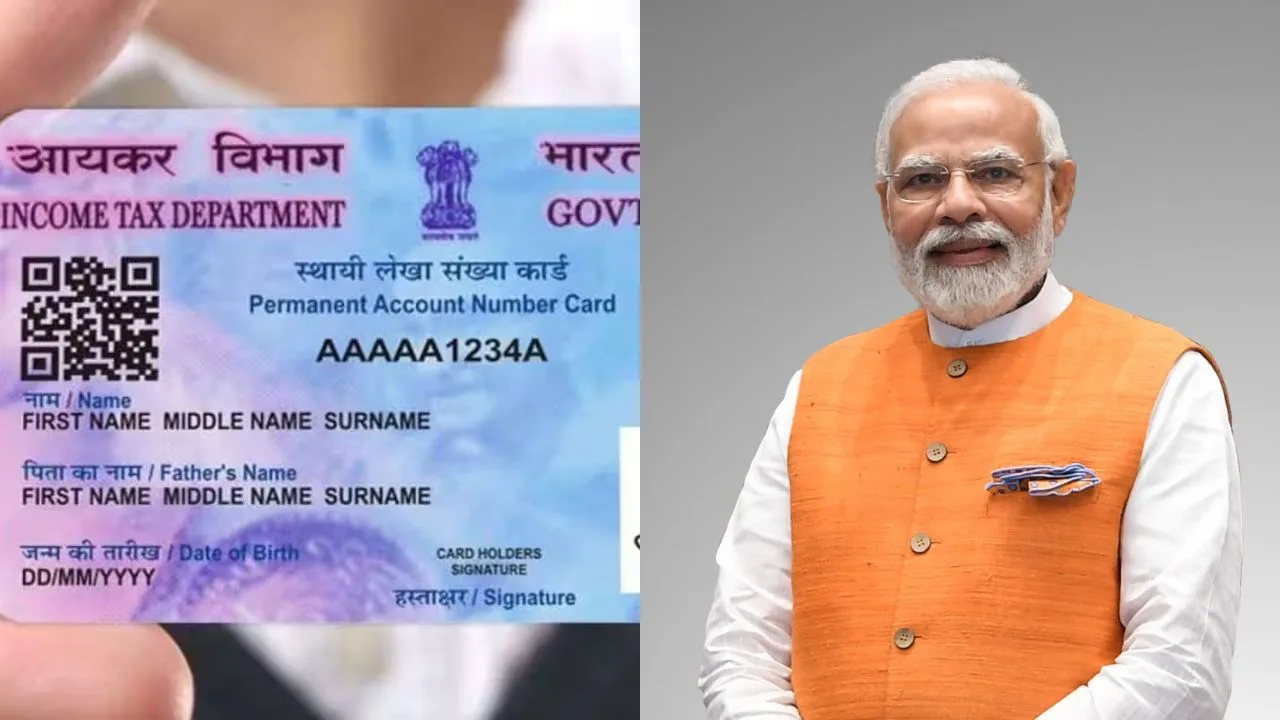
Property buyers may soon get major relief as the government plans to ease PAN card rules for transactions up to ₹20 lakh.
Buying a house, flat, or plot often feels exciting at first. However, the paperwork quickly turns that excitement into stress. Now, the central government is reportedly working on a move that could significantly reduce documentation hassles for property buyers. If approved, this change could make property transactions smoother and more practical, especially for smaller deals.
PAN Card Rule for Property Purchase May Change Soon
At present, the Income Tax Department mandates a PAN card for buying or selling property worth more than ₹10 lakh. However, officials have proposed revising this limit. Under the new draft rules, buyers may not need to submit a PAN card for property transactions up to ₹20 lakh.
Moreover, this proposal comes at a time when property prices have risen sharply across cities and towns. In many areas, even a small plot or modest flat easily crosses ₹10 lakh. Therefore, the existing threshold often feels outdated.
Also Read: 8th Pay Commission 2026: ₹18,000 Salary May Rise to ₹30,000 – Govt Seeks Public Suggestions
Although the new rule has not been officially implemented yet, reports suggest that the government is seriously considering doubling the limit. If finalized, the revised norm could come into effect from April 1, 2026.
Current vs Proposed PAN Requirement: What’s the Difference?
To understand the possible impact, let’s compare the current rule with the proposed change:
| Transaction Value | PAN Card Requirement |
|---|---|
| Up to ₹10 lakh (Current Rule) | Not Mandatory |
| Above ₹10 lakh (Current Rule) | Mandatory |
| Up to ₹20 lakh (Proposed Rule) | Not Mandatory |
| Above ₹20 lakh (Proposed Rule) | Mandatory |
Additionally, this shift reflects the changing property market realities. What was once considered a high-value transaction is now quite common in semi-urban and even rural regions.
Why the Government Wants to Increase the ₹10 Lakh Limit
Property prices have steadily increased over the past several years. Meanwhile, compliance requirements have remained largely unchanged. Consequently, even middle-class buyers often face documentation requirements meant for high-value transactions.
The government believes that updating the threshold will align tax rules with current market conditions. In addition, it could reduce unnecessary paperwork for smaller property deals, particularly in tier-2 and tier-3 cities.
On the other hand, authorities are likely to retain strict monitoring for higher-value transactions above ₹20 lakh. This ensures transparency while still offering relief where it’s genuinely needed.
Also Read: PM Kisan 22nd Installment 2026: ₹2,000 Payment Date, Beneficiary Check & Latest Update
How This Change Could Benefit Property Buyers and Sellers
If the proposal receives approval, buyers purchasing property under ₹20 lakh will not need to furnish a PAN card. Consequently, the process could become faster and less complicated. Brokers and sellers may also find transactions smoother, as documentation requirements would be reduced for lower-value deals.
Moreover, this move could encourage more formal property transactions in smaller towns. Many buyers hesitate due to compliance complexity. However, easing the PAN requirement may increase confidence and simplify the buying experience.
Additionally, for individuals who do not have a PAN card or face delays in obtaining one, this change would remove a significant barrier. It could especially benefit first-time buyers looking at affordable housing or small plots.
When Could the New PAN Rule Be Implemented?
According to reports, the revised rule may take effect from April 1, 2026, if approved. Until then, the existing regulation requiring a PAN card for transactions above ₹10 lakh will continue to apply.
Therefore, buyers planning property purchases in the coming months should stay updated with official notifications from the Income Tax Department. While the proposal signals relief, it becomes effective only after formal notification.
Overall, this proposed change reflects a practical shift in tax compliance norms. As property values rise year after year, revising outdated thresholds becomes necessary. If implemented, the move could bring meaningful relief to thousands of buyers while maintaining transparency in high-value transactions.